
- 01IdentityRobert Mills
- 02InfrastructureB&O Railroad
- 03ReinventionInner Harbor
- 04FutureDesign Baltimore
Robert Mills
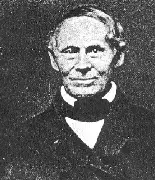
Robert Mills (1781–1855) is widely recognized as America's first professionally trained native-born architect.
Among his most significant works is Baltimore's Washington Monument in Mount Vernon, designed in 1815 and completed in 1829. The monument became a defining landmark for the city and helped establish Mount Vernon as one of Baltimore's most important civic and cultural districts.
Mills believed public architecture should serve both practical and civic purposes. His work reflects early efforts to create a distinct architectural identity for the United States.
How can design help communicate the identity and character of a place?
The Baltimore & Ohio Railroad
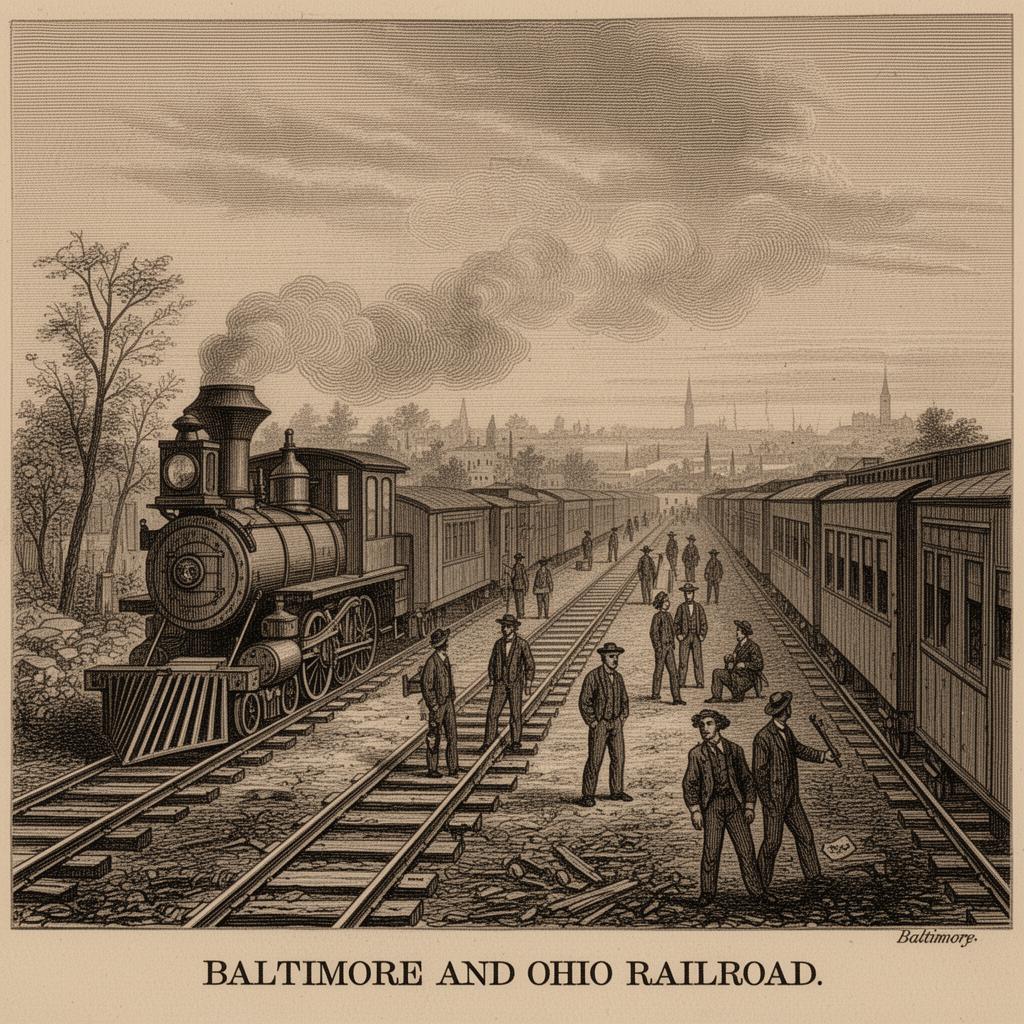
The Baltimore & Ohio Railroad was chartered in 1827 and became the first major commercial railroad in the United States.
Created to connect the Port of Baltimore with western markets, the railroad emerged during a period of intense competition among American cities for trade and transportation access.
Baltimore's municipal government, business leaders, and investors played an important role in supporting the railroad's development. The project helped establish Baltimore as a center of commerce, engineering, manufacturing, and transportation throughout the nineteenth century.
Today, the B&O remains one of the most important chapters in Baltimore's economic and industrial history.
How can infrastructure shape the growth and long-term success of a city?
The Inner Harbor
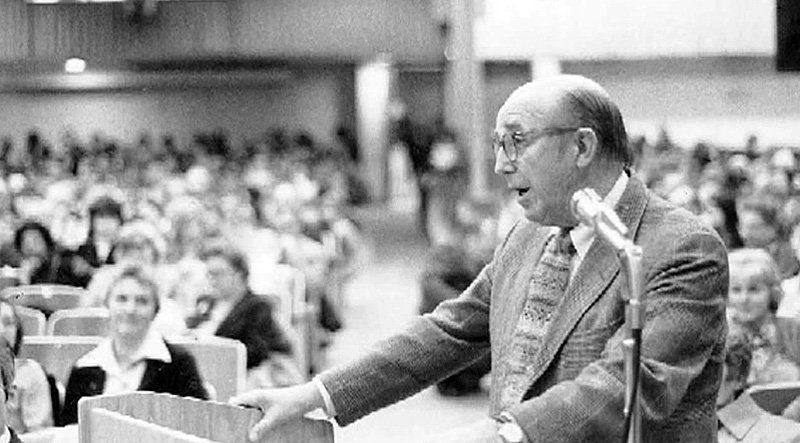
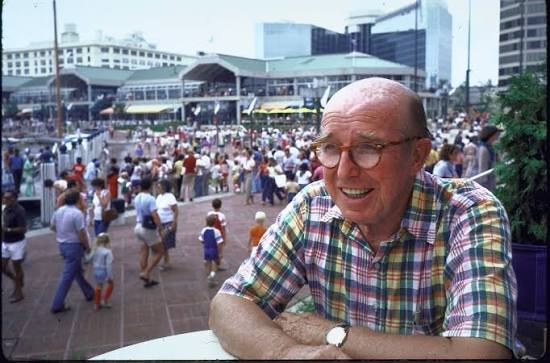
Following decades of industrial decline along Baltimore's waterfront, the city undertook a major redevelopment effort beginning in the mid-twentieth century.
Through a combination of public investment, planning, design, and private-sector partnerships, the Inner Harbor was transformed into a major civic, cultural, and visitor destination.
Projects including Harborplace, waterfront promenades, public gathering spaces, museums, and cultural attractions helped reconnect residents and visitors to the waterfront.
The Inner Harbor became a widely studied example of urban waterfront revitalization and remains one of Baltimore's most recognizable public spaces.
How can existing places be adapted to serve new generations while preserving their connection to history?
Designing the next chapter.
The history of Baltimore is marked by moments when design, infrastructure, and civic ambition helped shape the city's future.
From Robert Mills' civic landmarks, to the B&O Railroad's transportation network, to the reinvention of the Inner Harbor, each generation has contributed to Baltimore's built environment and public identity.
The Design Baltimore: Gateways Competition continues that tradition by inviting designers, artists, planners, and community members to imagine how Baltimore's gateways can reflect the city's history while welcoming its future.
What should Baltimore's next great civic design legacy be?