Baltimore · Commercial Corridors
Resources

Everything you need, in one place.

The three gateway corridors, Baltimore's design legacy, and the full competition timeline — together on a single page.
At a glance

What to know about the competition.

Prize Pool
$450,000
12 × $25K finalist stipends + 3 × $50K winner awards
Submission Deadline
August 23, 2026
Concepts due via the portal by 11:59 PM EST
Public Exhibition
Oct–Nov 2026
Finalists shown citywide
Eligibility
Open
Designers, artists, students, teams
When
Timeline

The full schedule, top to bottom.

Every public milestone in one table, followed by a seven-phase narrative from the virtual info session through the closing exhibition.

DateMilestone
June 29, 2026Portal / Landing Page Launch
July 10, 2026Partner Assets Released
July 30, 2026 · 1:00 – 2:00 PM ESTVirtual Information Session
August 4, 2026 · 1:00 – 4:00 PM ESTIn-Person Open Public Site Tour
Aug 23 – Sept 17, 2026Intake & Evaluation Period
October 8, 2026Top 12 Presentations & Celebration
October 15, 2026Live-Streamed Winners Announcement
Oct 18 – Nov 30, 2026Exhibition Launch
Design Baltimore: Gateways project timeline infographic showing milestones from the virtual info session through the October–November public exhibition.
Project timeline · at-a-glance graphic
Detailed narrative

Seven phases, June through November

  1. 1
    Phase 1 · Portal Launch
    June 29, 2026

    Portal / Landing Page Launch

    • Competition website goes live
    • Program overview, timeline, eligibility, and submission details available
    • Public sign-up and information collection begins
  2. 2
    Phase 2 · Public Technical Engagement
    Virtual: July 30, 2026 · Site Tour: August 4, 2026

    Virtual Info Session + Open Site Tour

    • Virtual Information Session · Thursday, July 30, 2026 · 1:00 – 2:00 PM EST — live overview of the brief, Q&A with the BDC team; recording shared with registrants
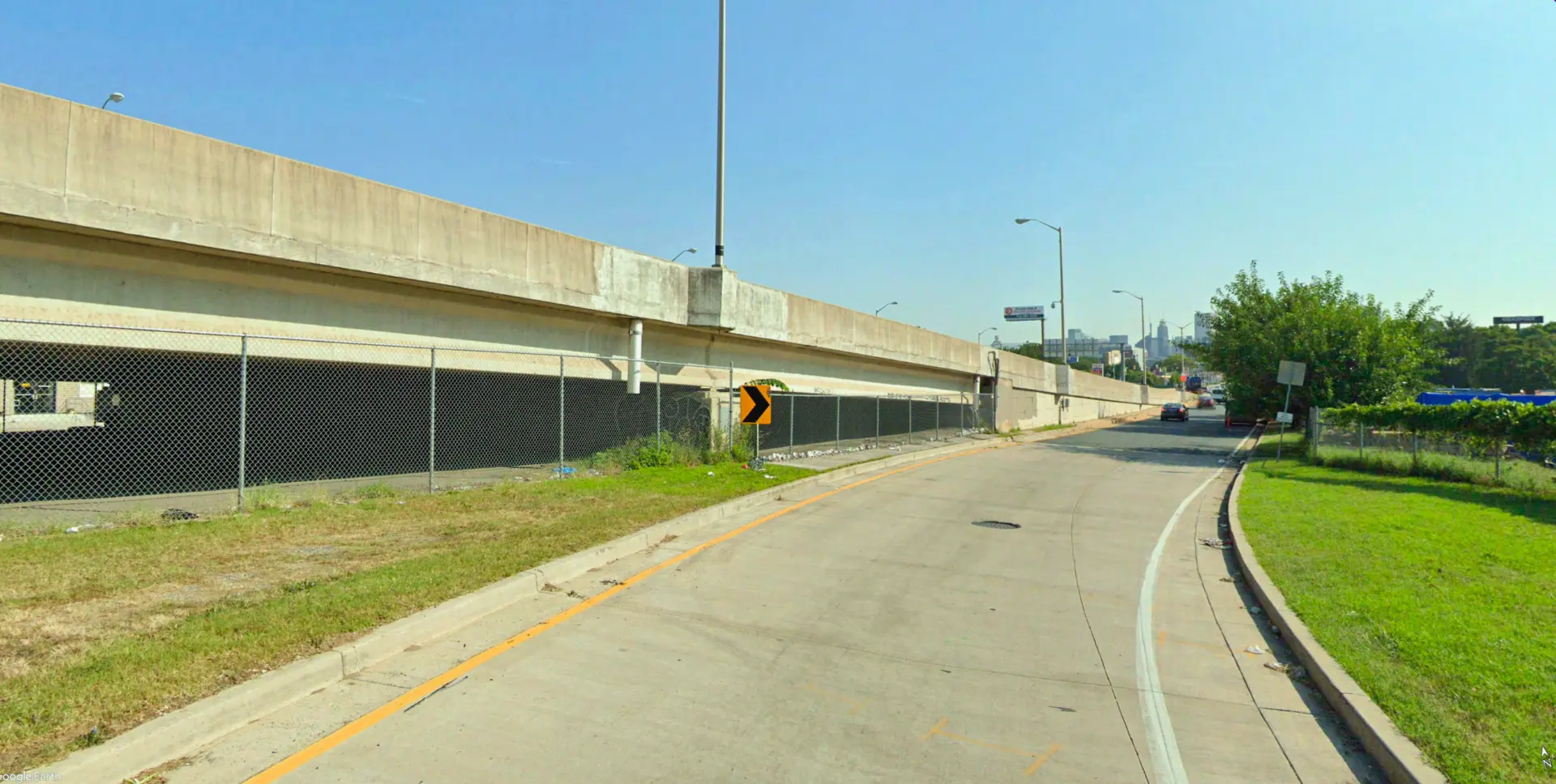
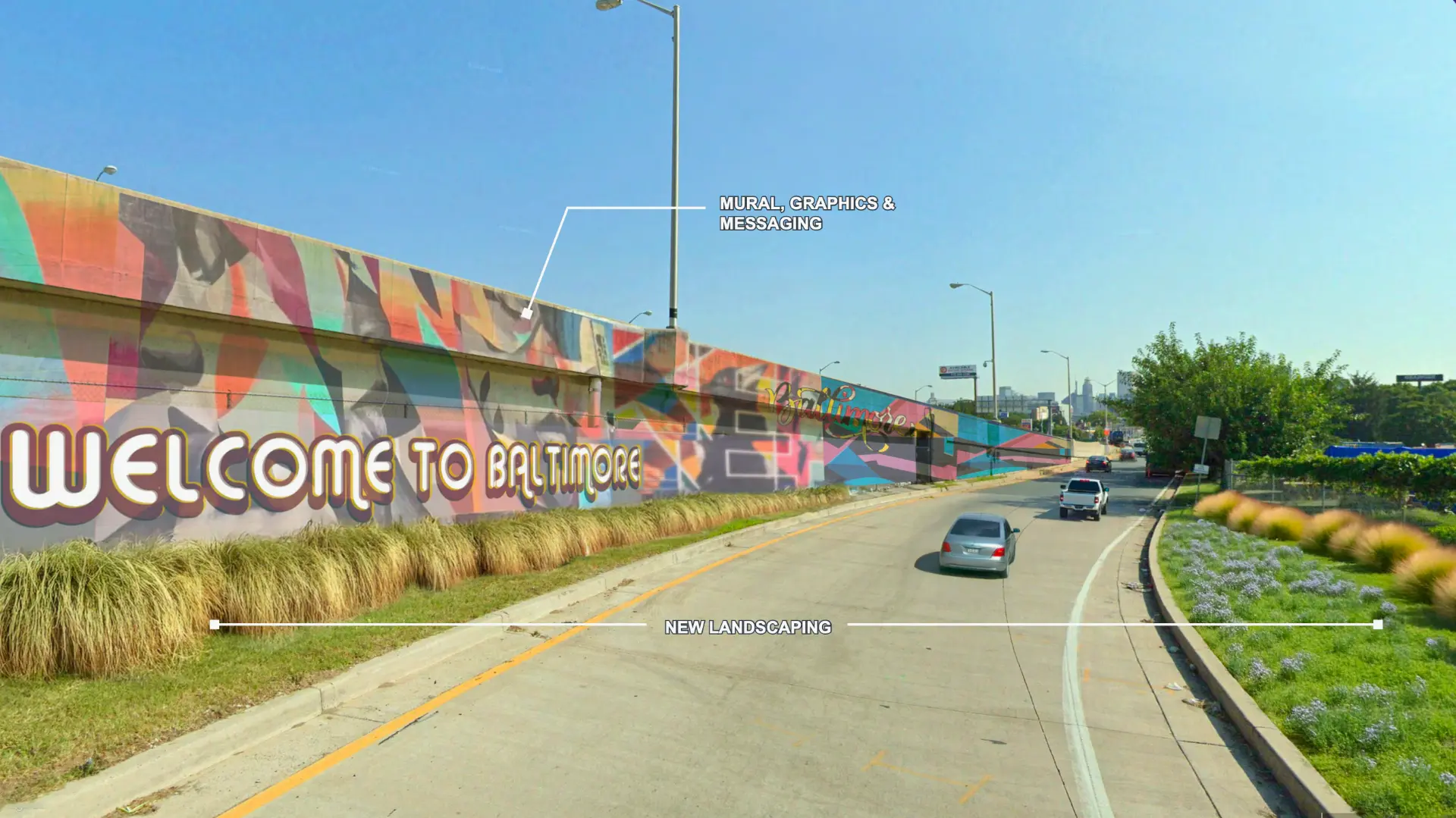
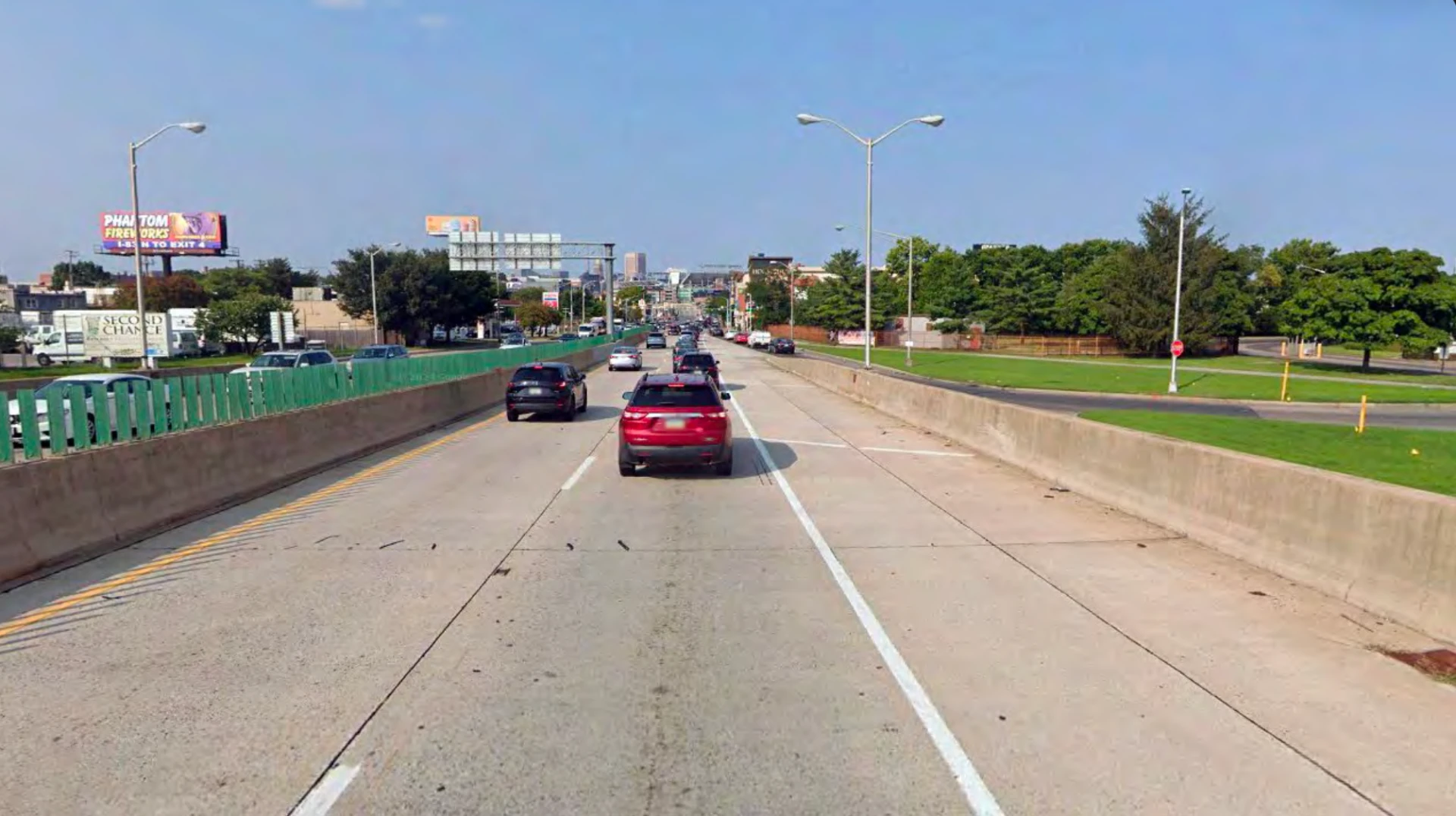
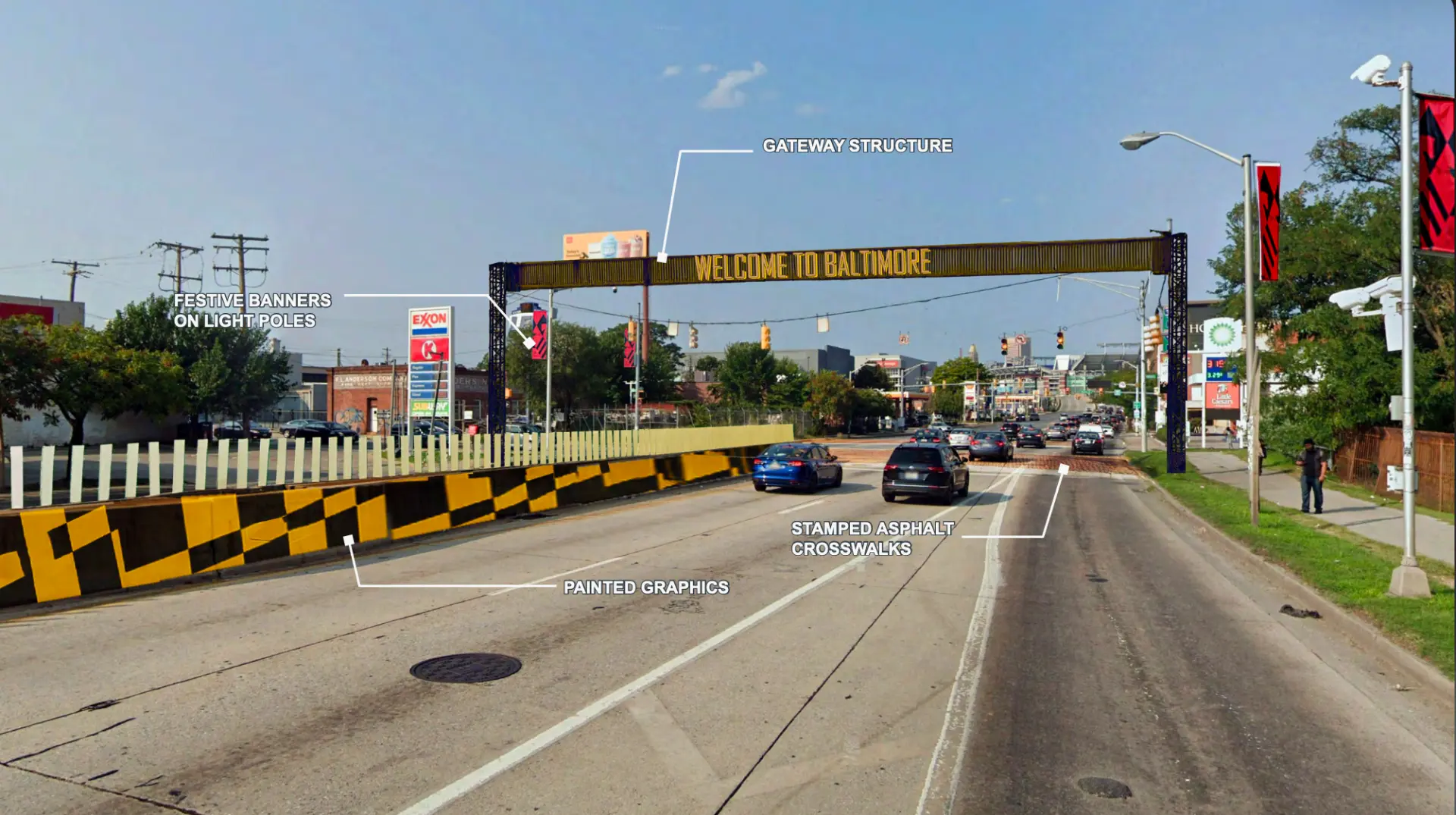
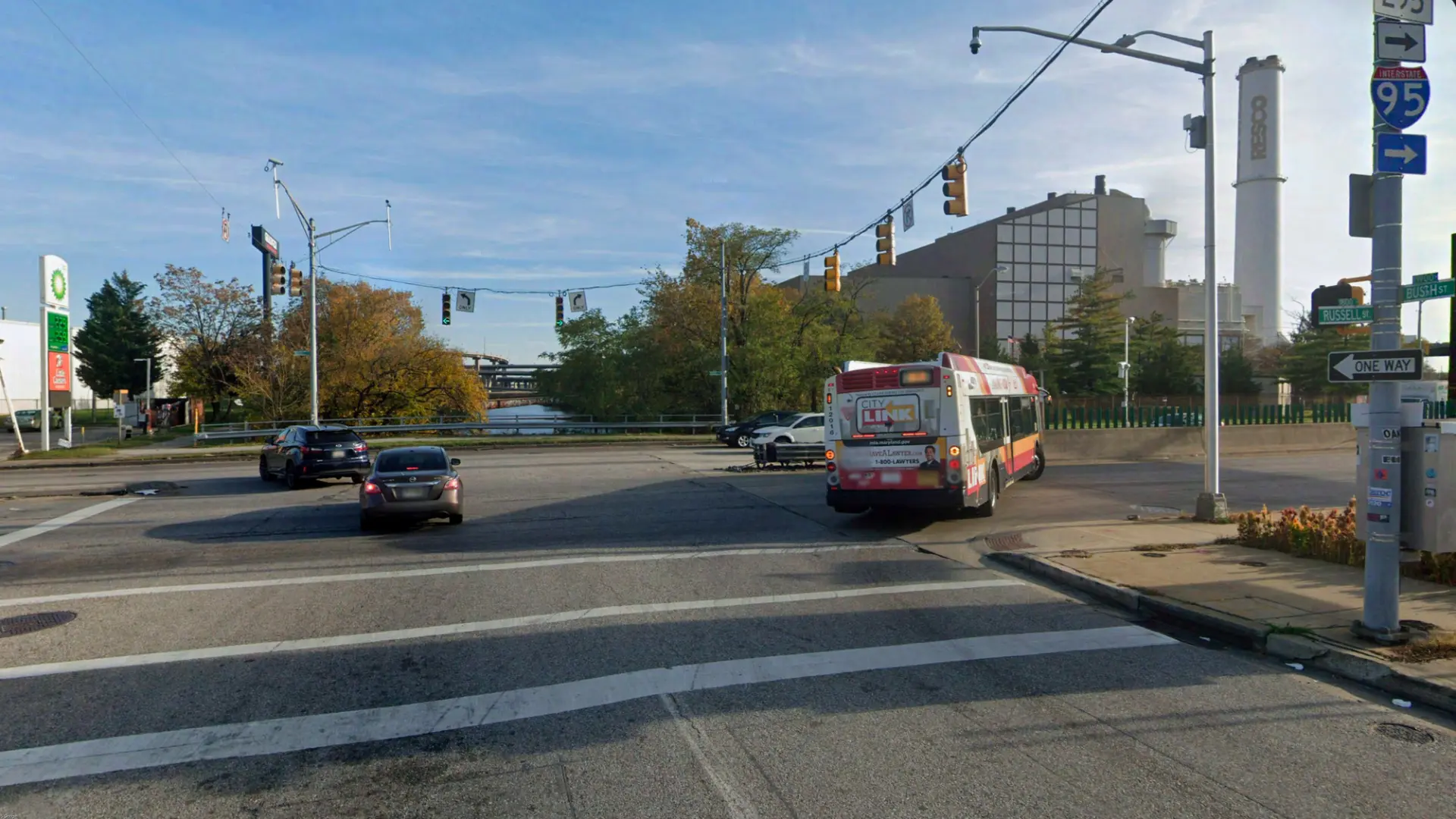
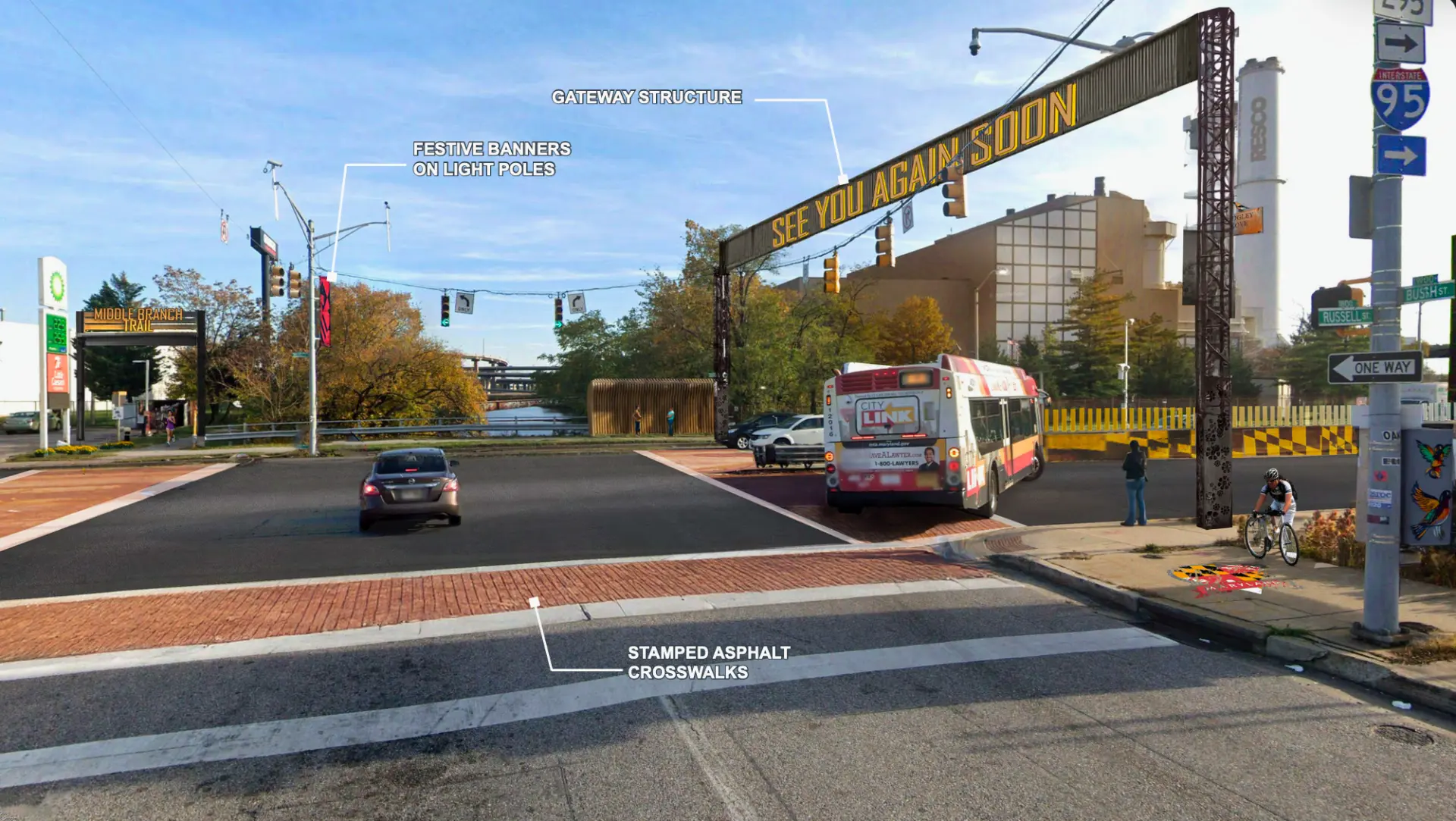
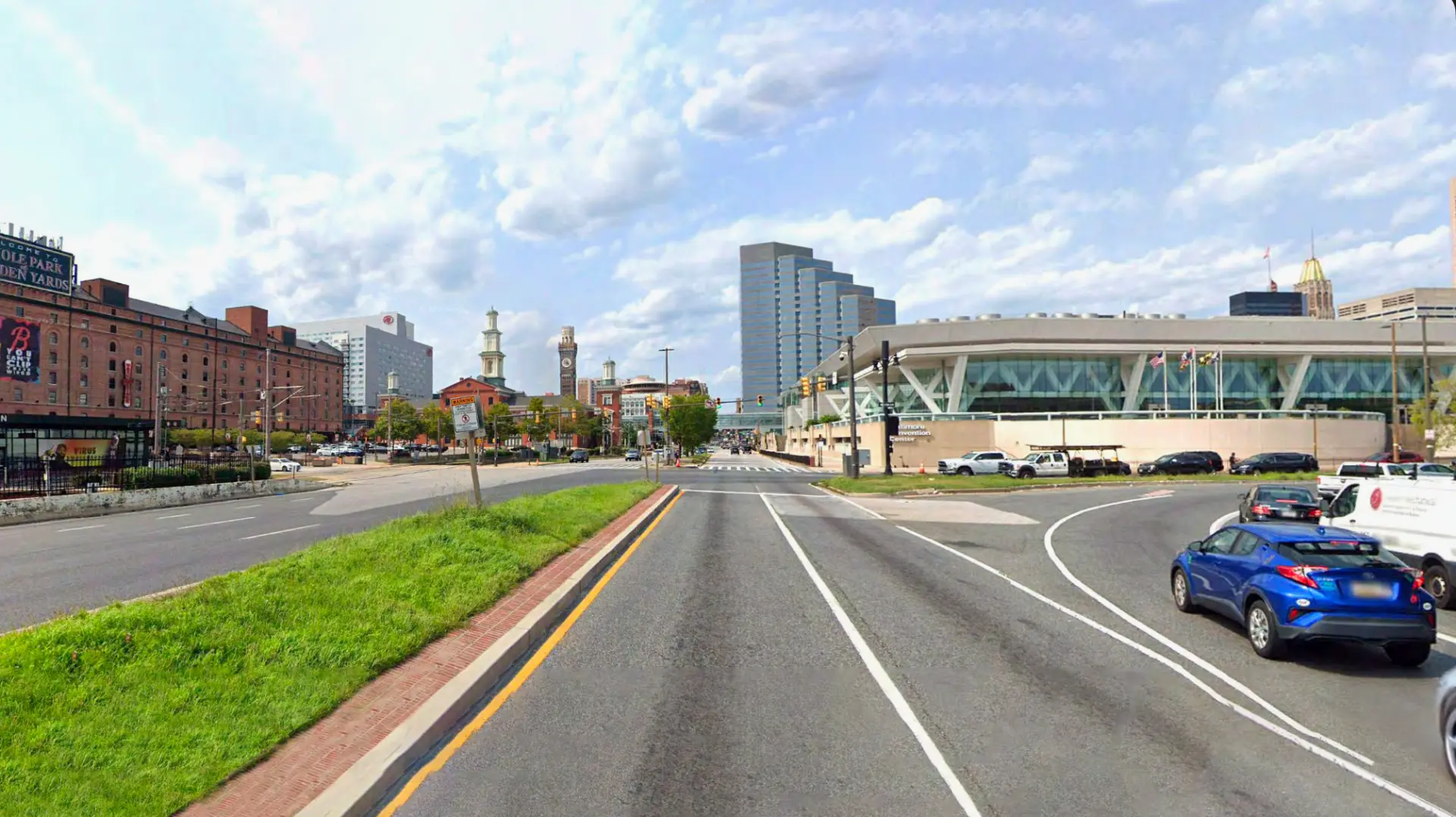
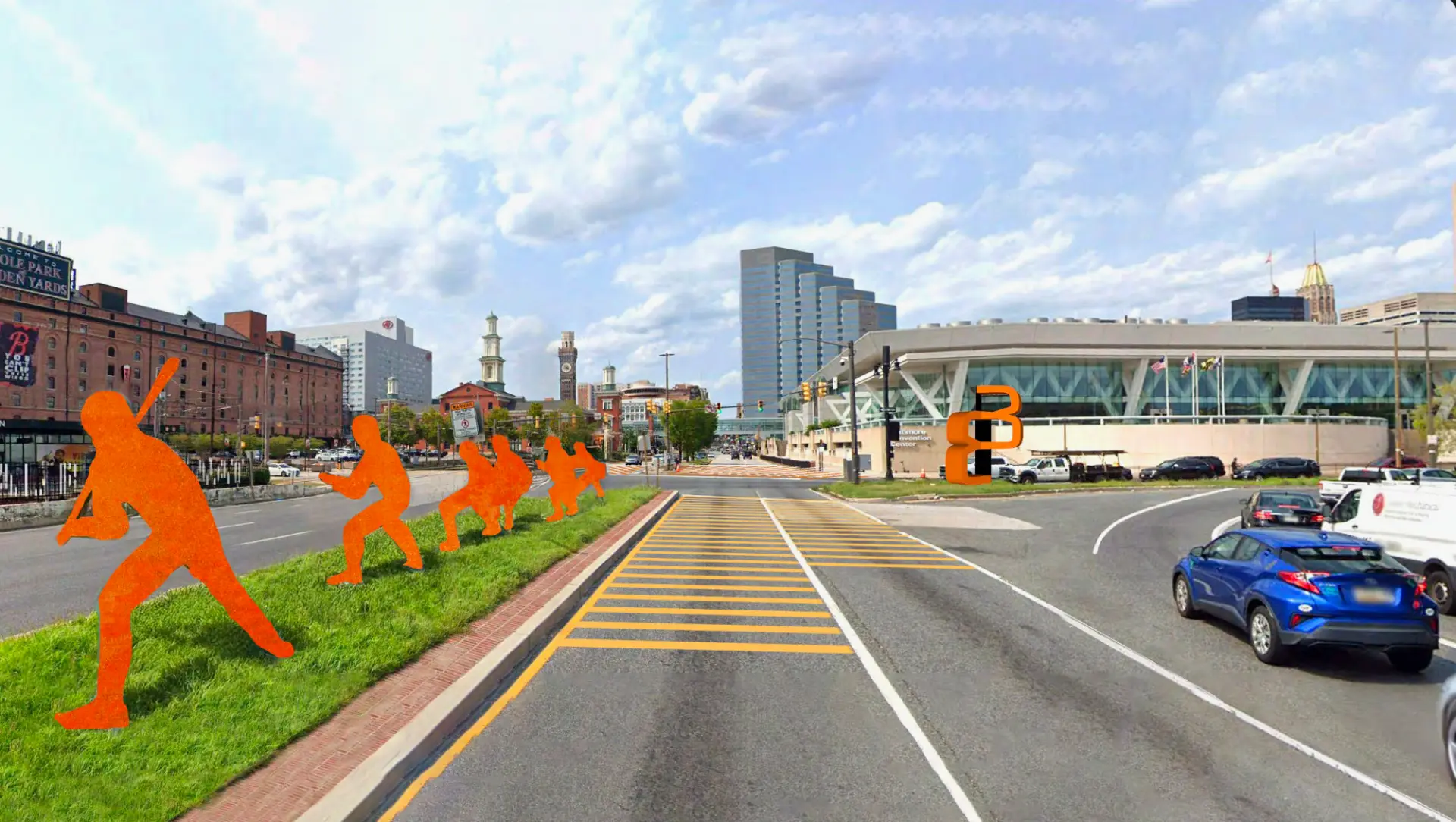
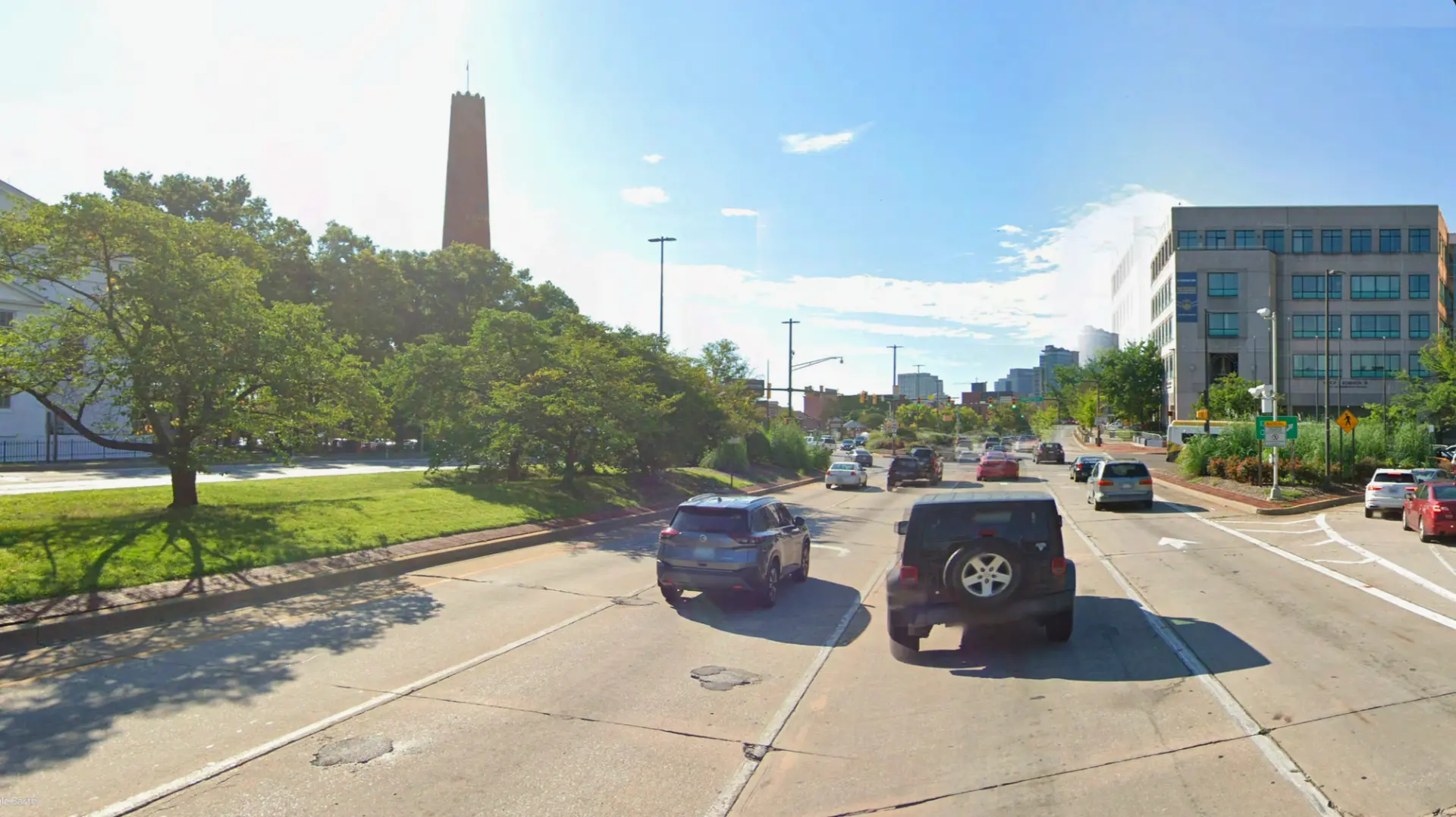
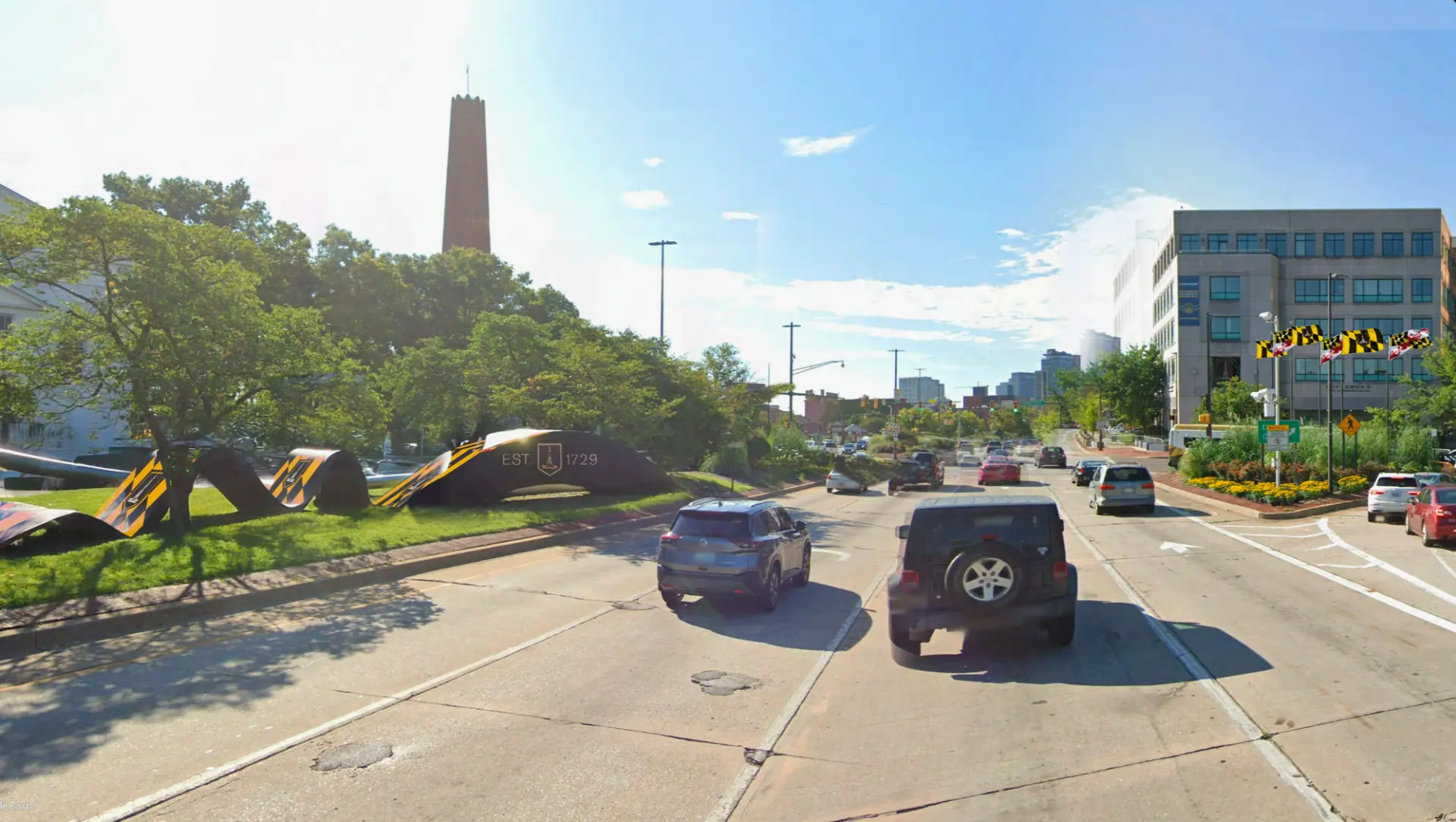
    • In-Person Open Public Site Tour · Tuesday, August 4, 2026 · 1:00 – 4:00 PM EST — walk the three gateway corridors (Russell Street, Conway Street, President Street) with BDC planners and community liaisons
    • RSVP for one or both sessions on the info session page
  3. 3
    Phase 3 · Recruitment & Outreach
    July 10, 2026

    Partner Assets Released

    • Marketing toolkit released to partners
    • Social media graphics, flyers, email templates, and outreach materials distributed
    • Active recruitment campaign begins
  4. 4
    Phase 4 · Intake & Evaluation
    Aug 23 – Sept 17, 2026

    Submission Window Closes & Jury Review

    • Submission window closes August 23, 2026 · 11:59 PM EST
    • Jury review and scoring process begins
    • Evaluation based on established design criteria
  5. 5
    Phase 5 · Finalist Selection
    October 8, 2026

    Top 12 Presentations & Celebration

    • Finalists present concepts to the jury and public audience
    • Community celebration and networking event
    • Jury deliberations conclude; final selections determined
  6. 6
    Phase 6 · Winner Announcement
    October 15, 2026

    Live-Streamed Winners Announcement

    • Official announcement of selected designs
    • Recognition of finalists and participants
    • Public unveiling of winning concepts
  7. 7
    Phase 7 · Exhibition Launch
    Oct 18 – Nov 30, 2026

    Public Exhibition

    • Public exhibition showcasing winning and finalist submissions
    • Community engagement and educational programming
    • Celebration of Baltimore's creative talent and design vision
Why
Baltimore Design Legacy

Three moments that shaped Baltimore.

The competition invites participants to explore Baltimore's history, identity, and public realm — and how design, infrastructure, and civic investment have shaped the city across generations.

Legacy 01 · Early 19th Century

Robert Mills

Designing Identity
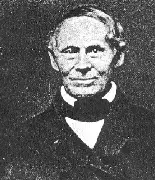
Portrait of architect Robert Mills (1781–1855), designer of Baltimore's Washington Monument.
Robert Mills · 1781–1855

Robert Mills (1781–1855) is widely recognized as America's first professionally trained native-born architect.

Among his most significant works is Baltimore's Washington Monument in Mount Vernon, designed in 1815 and completed in 1829. The monument became a defining landmark for the city and helped establish Mount Vernon as one of Baltimore's most important civic and cultural districts.

Mills believed public architecture should serve both practical and civic purposes. His work reflects early efforts to create a distinct architectural identity for the United States.

Key Themes
Civic IdentityArchitecturePublic SpaceMonument DesignNational Symbolism
Design Reflection

How can design help communicate the identity and character of a place?

Legacy 02 · Beginning in 1827

The Baltimore & Ohio Railroad

Building the Future
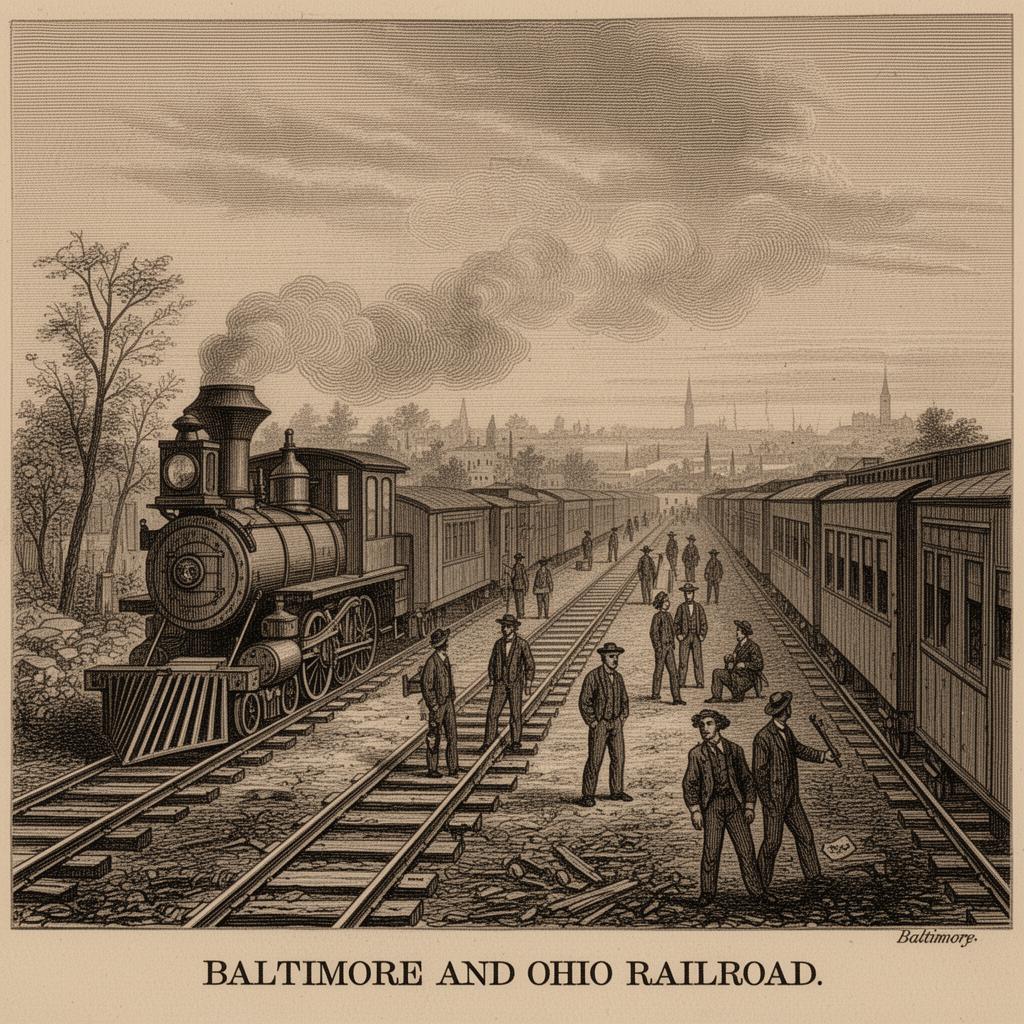
Archival-style illustration of an early Baltimore & Ohio Railroad locomotive with rail cars and workers on the tracks.
Baltimore & Ohio Railroad · chartered 1827

The Baltimore & Ohio Railroad was chartered in 1827 and became the first major commercial railroad in the United States.

Created to connect the Port of Baltimore with western markets, the railroad emerged during a period of intense competition among American cities for trade and transportation access.

Baltimore's municipal government, business leaders, and investors played an important role in supporting the railroad's development. The project helped establish Baltimore as a center of commerce, engineering, manufacturing, and transportation throughout the nineteenth century.

Today, the B&O remains one of the most important chapters in Baltimore's economic and industrial history.

Key Themes
InfrastructureTransportationEngineeringCommerceEconomic Development
Design Reflection

How can infrastructure shape the growth and long-term success of a city?

Legacy 03 · Mid-20th Century to Present

The Inner Harbor

Reinventing the Waterfront
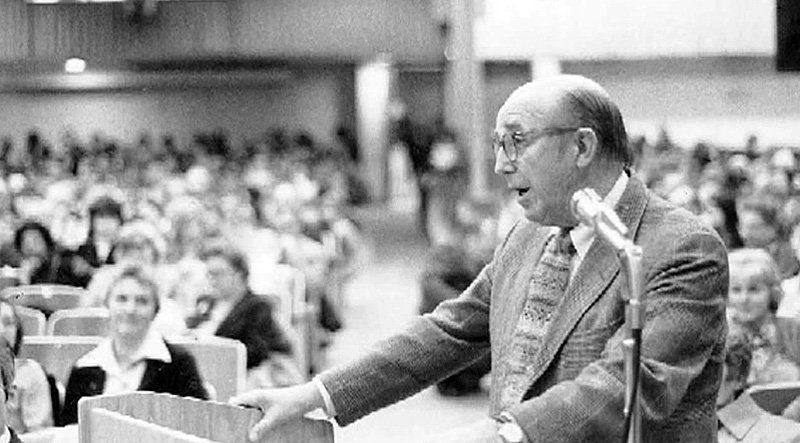
Archival photograph of developer James Rouse speaking at a podium before a large audience.
James Rouse · 1914–1996
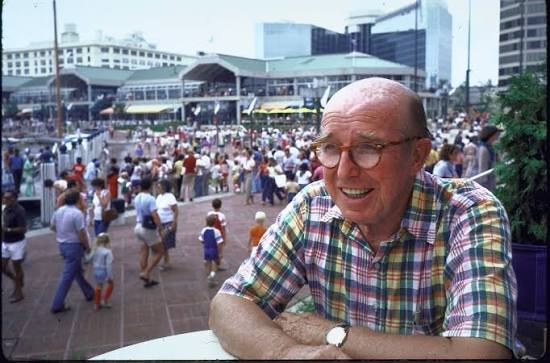
James Rouse photographed at Baltimore's Inner Harbor with Harborplace and crowds in the background.
Inner Harbor · Harborplace opening era

Following decades of industrial decline along Baltimore's waterfront, the city undertook a major redevelopment effort beginning in the mid-twentieth century.

Through a combination of public investment, planning, design, and private-sector partnerships, the Inner Harbor was transformed into a major civic, cultural, and visitor destination.

Projects including Harborplace, waterfront promenades, public gathering spaces, museums, and cultural attractions helped reconnect residents and visitors to the waterfront.

The Inner Harbor became a widely studied example of urban waterfront revitalization and remains one of Baltimore's most recognizable public spaces.

Key Themes
Urban RedevelopmentPublic SpaceWaterfront DesignTourismCivic Life
Design Reflection

How can existing places be adapted to serve new generations while preserving their connection to history?

Design Baltimore

Designing the next chapter.

The history of Baltimore is marked by moments when design, infrastructure, and civic ambition helped shape the city's future.

From Robert Mills' civic landmarks, to the B&O Railroad's transportation network, to the reinvention of the Inner Harbor, each generation has contributed to Baltimore's built environment and public identity.

The Design Baltimore: Gateways Competition continues that tradition by inviting designers, artists, planners, and community members to imagine how Baltimore's gateways can reflect the city's history while welcoming its future.

Design Reflection

What should Baltimore's next great civic design legacy be?

Ready to submit your concept?